Road Trip Ideas: 20 Drives, by Length
The useful way to choose a road trip is not by country but by how many days you have, because the days decide everything else. A weekend and a fortnight in the same region are different trips, and most disappointment comes from planning the second and living the first.
So these are sorted by length. Each entry says what the drive is actually like: the roads, the season, the thing that catches people out, and links to a full day-by-day itinerary if you want to start from one rather than a blank page.
Updated 2026-07-30
A weekend: two or three days
A weekend trip lives or dies on how far you drive on Friday. Anything over three hours out and you spend the best part of Saturday recovering ground. The sweet spot is a single base within two hours, with loops from it.
The most reliable weekend format is a day-trip cluster: pick a city you can reach easily, then use its surroundings rather than moving hotels. These pages are built exactly that way: six drives out of one city, each paced as a single day.
Four or five days: one region, properly
Five days is enough to cross a region without rushing, provided you accept that you are seeing one region rather than a country. Two nights somewhere in the middle is what turns it from a march into a trip.
- Coastal drives work well at this length: the road is the attraction, so the driving days are the good days.
- Wine regions and hill country suit it too: short hops, long lunches, and nothing that needs a pre-dawn start.
- Avoid trying to include two famous cities at opposite ends. That is a transit plan wearing a holiday's clothes.

Pacific Coast Highway: San Francisco to LA
America's most famous coastal drive.
5 days · 467 mi
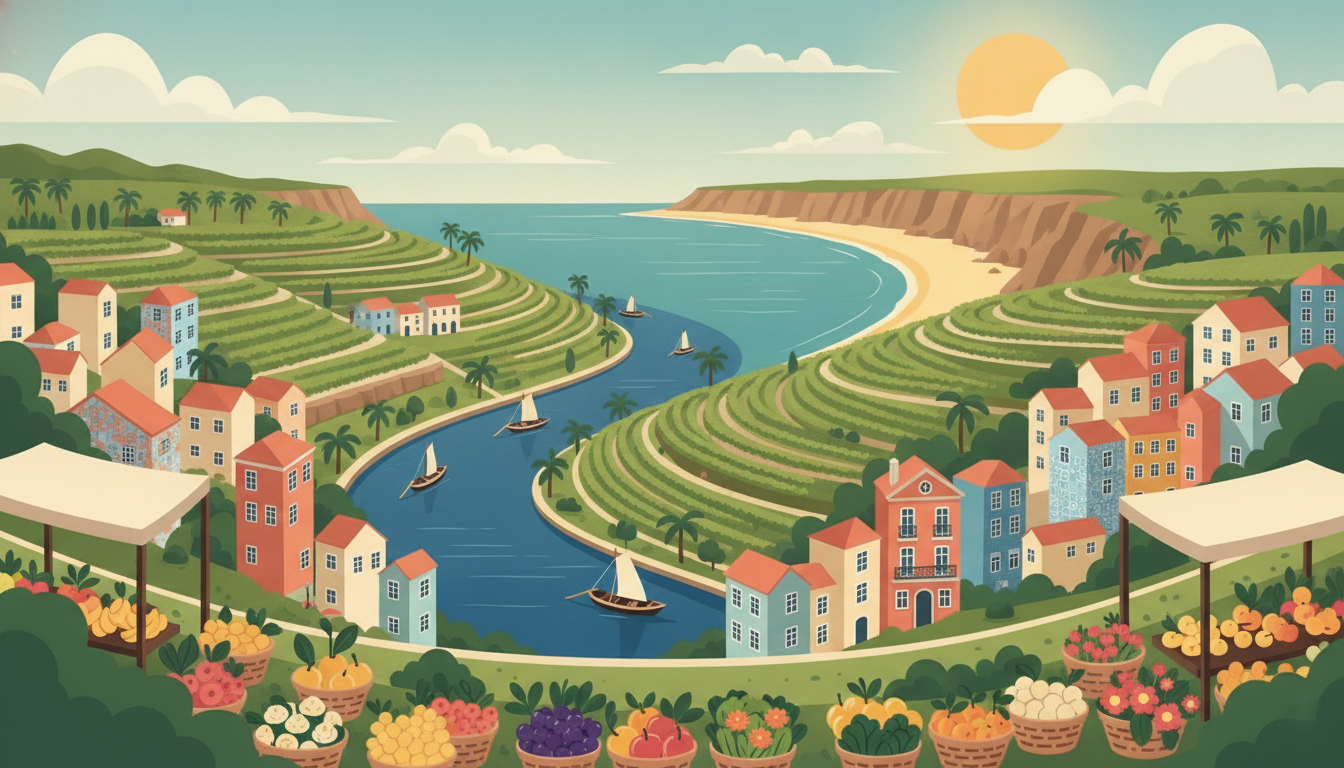
Portugal Road Trip: Lisbon to Porto in 7 Days
The Atlantic coast, one unhurried stretch at a time.
7 days · 496 km

Amalfi Coast Road Trip: 5 Days from Naples
Cliff roads and lemon-grove villages above the sea.
5 days · 198 km
A week: the classic length
Seven days is the length most famous road trips are designed around, and it is enough for a proper loop: out along one line, back along another, without repeating a view. It also gives you room for one genuinely long driving day, which opens up regions a five-day trip cannot reach.

Oregon Coast Road Trip: 7 Days on Highway 101
Sea stacks, lighthouses and dune towns down Highway 101.
7 days · 505 mi

Utah National Parks Road Trip: Mighty 5 in 7 Days
Five national parks, one unforgettable week.
7 days · 990 mi

Ireland Road Trip: A 7-Day Loop from Dublin
Cliffs, castles and green roads in one circuit.
7 days · 1,113 km

Scotland Road Trip: 7 Days of Highlands from Edinburgh
Lochs, glens and castle ruins beyond the city.
7 days · 936 km
On a week-long trip, plan six days and leave the seventh open. Something will take longer than expected, and if nothing does, you will have found somewhere you want an extra day in.
Two weeks: the drive becomes the holiday
At a fortnight the constraint flips. You no longer need to justify a driving day, but you do need rest days: two weeks of packing and unpacking is genuinely tiring, and the trips people remember fondly have at least two days where the car does not move.

Iceland Ring Road Itinerary: 8 Days Around the Island
Waterfalls, black beaches and fjords on Route 1.
8 days · 1,834 km
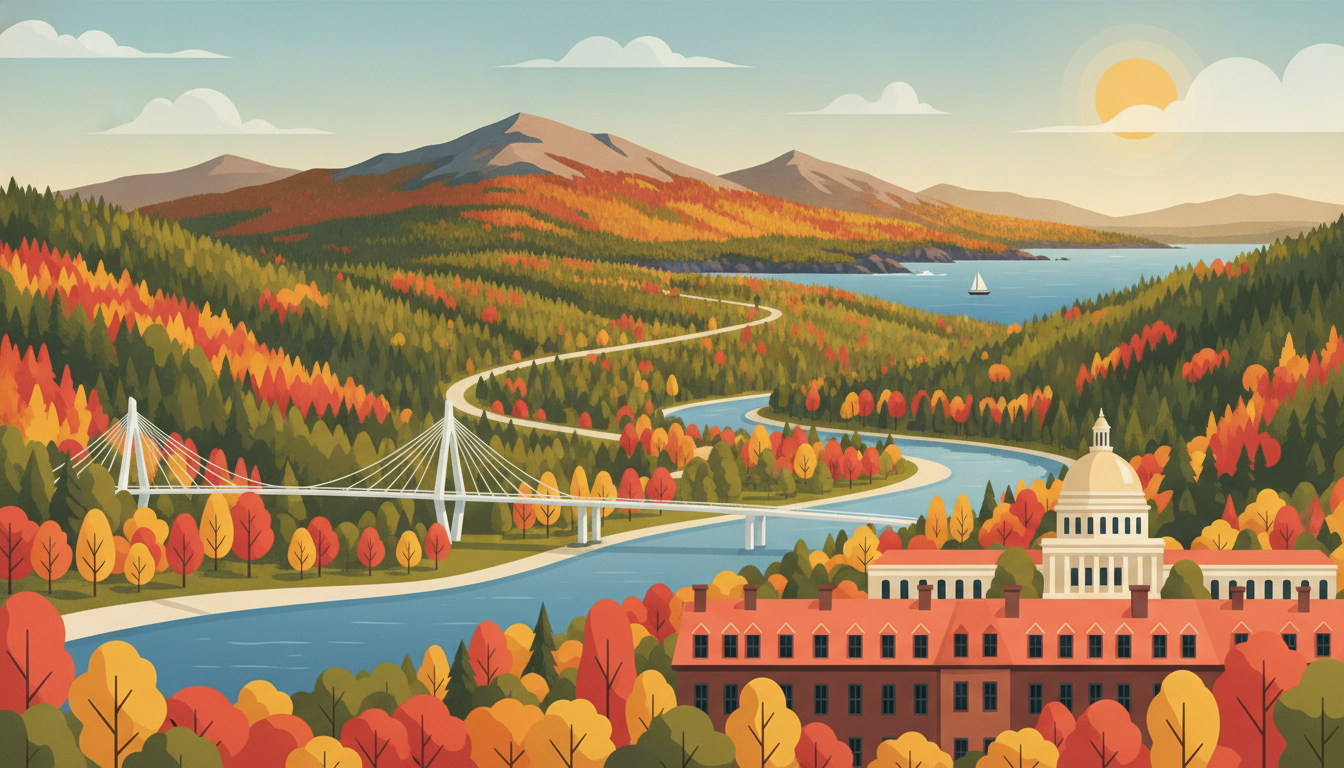
New England Road Trip: 5 Fall Days to Acadia
Lighthouses, lobster rolls and leaf-peeping.
5 days · 609 mi

Blue Ridge Parkway Road Trip: DC to Asheville
America's favorite slow road.
5 days · 531 mi
How to choose between two you like
When two routes both appeal, the tiebreaker is rarely the scenery: it is the logistics. Four questions settle it quickly.
- Which one works in the season you're actually travelling? A route with closed passes or a heat warning is not a choice, it is a different trip.
- Which has the shorter transfer at each end? Two hours from the airport to the start, twice, is half a day of the holiday.
- Which has a fallback if the weather turns? Coastal and mountain routes lose more to rain than city-to-city ones.
- Which one survives being cut short? If you lose a day to a delay, does the route still make sense, or does it collapse?
The last question is the most useful and the least asked. Loops survive losing a day; point-to-point routes with a fixed flight home do not, because the missing day comes out of the best part rather than the spare part.
By what you want from it
| If you want… | Look for | Watch out for |
|---|---|---|
| Big landscape | National-park corridors, coastal highways | Seasonal road closures and timed-entry permits |
| Food and wine | Hill regions with short hops between towns | Whoever drives tastes little: plan the day around it |
| History without crowds | Secondary cities and their surrounding valleys | Small-town museums often close Mondays |
| Empty roads | Shoulder season, inland routes, weekday starts | Fuel and food get sparse: fill up earlier than feels necessary |
| Family-friendly | Two-hour driving days, a pool at the halfway point | Long transit days destroy the goodwill you need for day five |
By region: what each one is actually like to drive
Regions have driving personalities, and they matter more than the photographs. Some are about the road itself, some about what sits at the end of each leg, and a few are logistically harder than their reputation suggests.
| Region | Driving is… | Plan around |
|---|---|---|
| Pacific coast, US | The attraction itself: slow, cliff-edge, endlessly stopping | Fog until midday in summer; northbound gives you the ocean-side lane |
| American Southwest | Long, empty, fast between very concentrated sights | Park timed entries, summer heat, and fuel gaps of 150 km |
| New England & eastern Canada | Short hops between towns, dense and easy | Autumn colour timing, which moves a week or two each year |
| Ireland & Scotland | Narrow, slow, far more tiring than the distance suggests | Single-track passing places, left-hand driving, weather that changes hourly |
| Italy & Spain | Fine on motorways, hostile in historic centres | Restricted zones with camera enforcement: park outside the walls |
| The Alps | Spectacular and demanding; passes are the point | Seasonal closures and vignettes, plus mountain fuel prices |
| Iceland & Norway | Remote, weather-driven, ferries in the itinerary | Short seasons, expensive fuel, and daylight that swings hugely |
If you have never driven abroad, the easiest first trips are the ones where the roads are wide, the signs are legible to you, and the towns have parking outside them. That points at the American West, Ireland's south, or the Portuguese coast rather than, say, Sicily in August.

Andalusia Road Trip: 7 Days from Málaga to Seville
White hill towns, Moorish palaces and olive country.
7 days · 1,101 km

Tuscany Road Trip: 6 Days of Hill Towns from Florence
Vineyard ridges, walled towns and long lunches.
6 days · 576 km

Provence Road Trip: 6 Days from Nice to Marseille
Lavender ridges, Riviera coves and market towns.
6 days · 419 km
When to go matters more than where
The same route is a different trip in May and August. Peak summer means full campsites, timed-entry permits and heat that makes midday walking unpleasant in the south. Late spring and early autumn give you the same roads with a third of the traffic, and in mountain regions, the passes are open by late May and still open through October in most years.
The exceptions are worth knowing: high-altitude roads (Trail Ridge in Colorado, many alpine passes) close from October to late May, and desert routes in the American Southwest are genuinely dangerous in July. Plan the season before the itinerary.
Browse every itinerary in the library →Questions, answered
- What is a good first road trip?
- Something short with an obvious spine: a coastal drive or a single-region loop of four or five days. The road is the attraction, the navigation is simple, and if the weather turns you are never far from an alternative.
- How long should a road trip be?
- Five to seven days is the sweet spot: long enough for a proper loop, short enough that packing and unpacking doesn't wear you down. Under three days, stay in one place and take day trips instead.
- Where can I go on a road trip for a weekend?
- Anywhere within about two hours of home, used as a base. Trying to cover more ground on a two-day trip means most of it happens through a windscreen: a day-trip cluster from one town is a better weekend than a mini tour.
- What's the best month for a road trip?
- Late May to mid June, or September. Mountain roads are open, campsites and hotels have space, and the heat has not arrived or has passed. August is the worst month almost everywhere for traffic, price and crowds.
Read next
Plan the trip while it's in your head
Five short questions and you get a day-by-day itinerary with real stops and honest drive times. Free to read the whole plan.
Plan my road trip →