The Best Road Trip Routes in Europe, by Season
Europe is unusually good for driving: the distances are short, the roads are excellent, and a day's drive can change the language, the food and the landscape. What it is not is uniform. The single most useful thing to know before choosing a European road trip is that half these routes are closed, wet or dark for a third of the year, and the other half are unbearable in August.
So the routes below are grouped by season rather than by country. Each one says when it works, what the driving is actually like, and what catches people out: vignettes, restricted zones, passes that open in June. Every entry links to a full day-by-day itinerary you can start from.
Updated 2026-08-09
How to choose: the season decides, not the country
Three constraints do most of the work. Alpine passes open between late May and early July and start closing in October, which rules the Alps in or out entirely. The Mediterranean is at its worst in August: heat, prices and the whole of Italy and France on the same roads, and at its best in May, June and September. And the far north trades daylight for weather: a Norwegian or Icelandic summer gives you eighteen usable hours, a winter one gives you five.
Almost every disappointing European road trip is a good route taken in the wrong month. Get that right and the rest is detail.
If your dates are fixed rather than your destination, work from the calendar down. May and September are the two months where nearly everything on this page is at its best.
The north: long days, empty roads, single-track etiquette
The northern routes are the ones people come back changed by, and they share a driving style: narrow roads, passing places, weather that rewrites the day, and very little traffic once you are past the first hour. Book accommodation early: the season is short and the room count is small.
- The NC500 around the Scottish Highlands: 516 miles of single-track and coast, best in May, June or September, and genuinely busy in July and August.
- Ireland's west coast: the Ring of Kerry, Dingle and the Cliffs of Moher, with distances that look shorter on the map than they drive.
- Iceland's Ring Road: 1,330 km around the island, June to September for open highland roads and near-endless daylight.
- Norway's fjords and the Atlantic Road: ferries as part of the road network, and toll gates that read your plate rather than take your money.
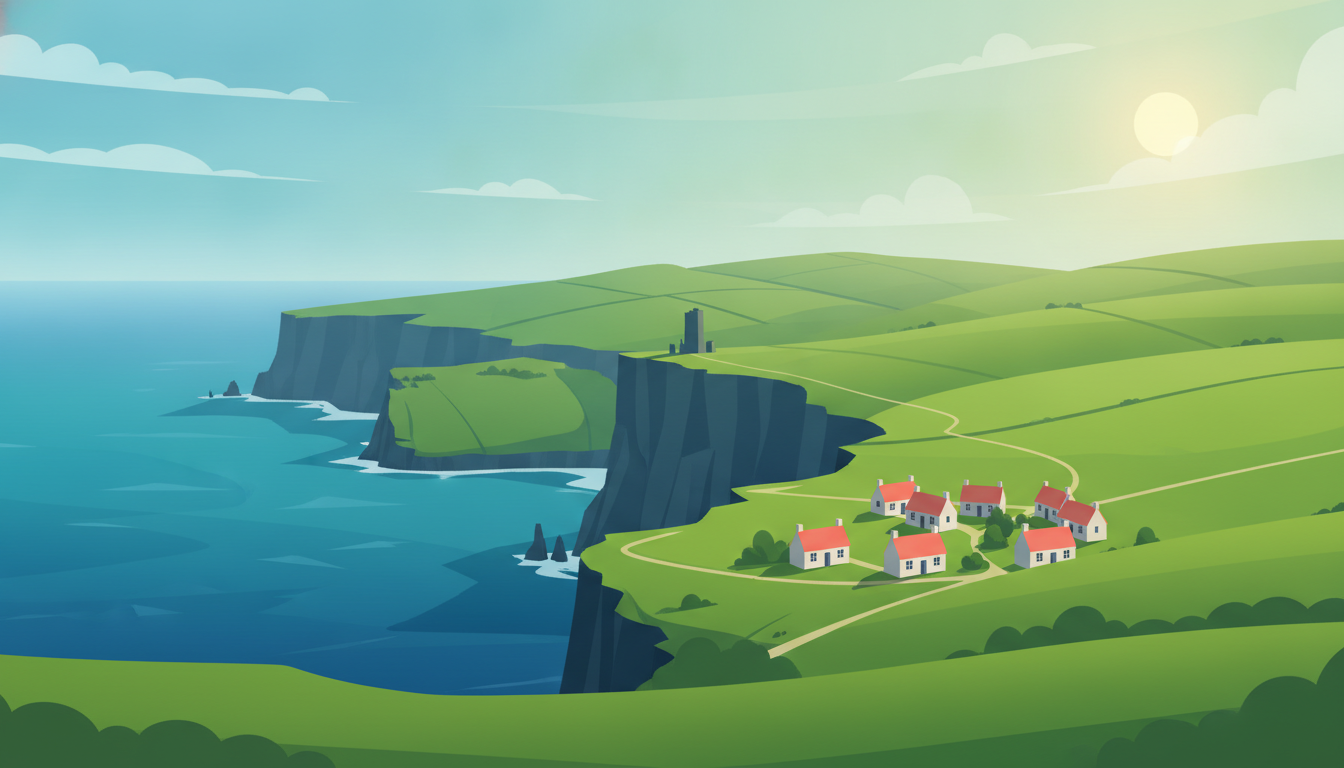
NC500 Route: 7 Days Around Scotland's North Coast 500
Single-track coast, sea cliffs and the far north.
7 days · 921 km
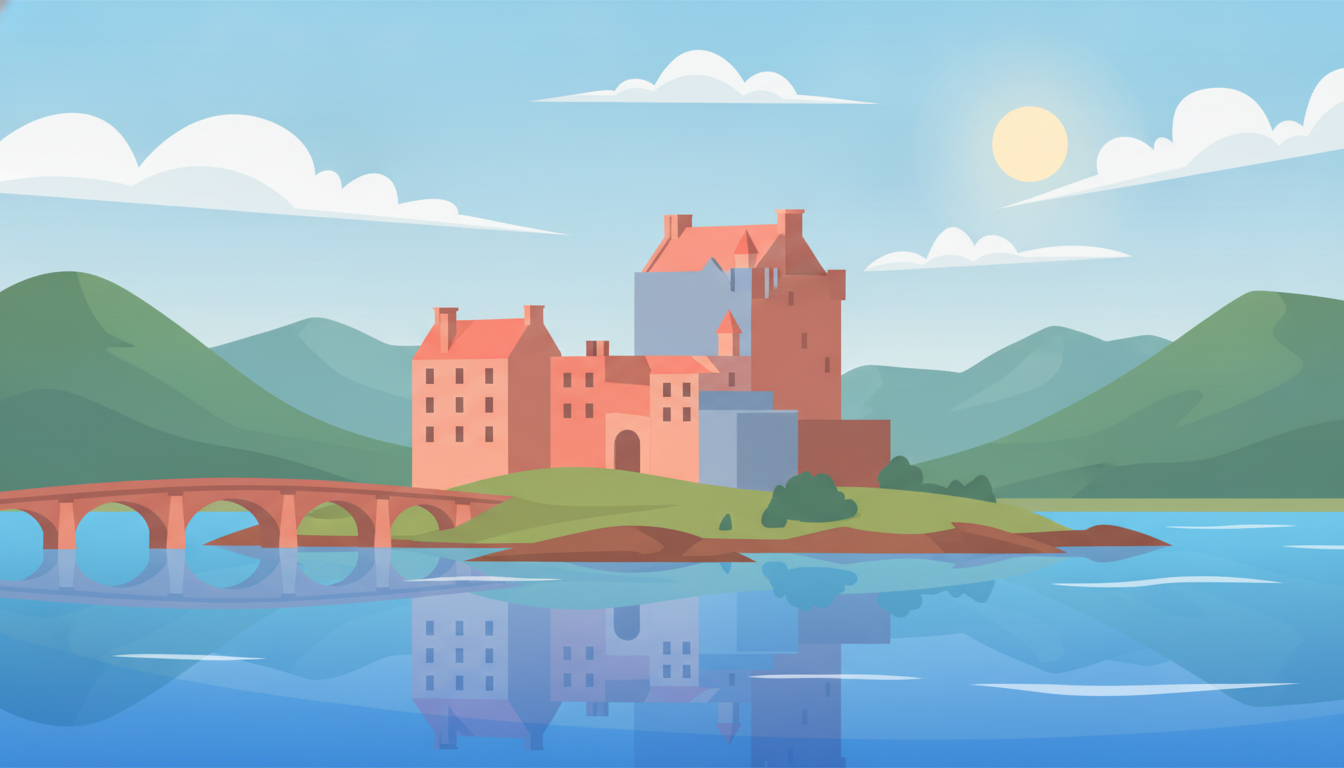
Scotland Road Trip: 7 Days of Highlands from Edinburgh
Lochs, glens and castle ruins beyond the city.
7 days · 936 km
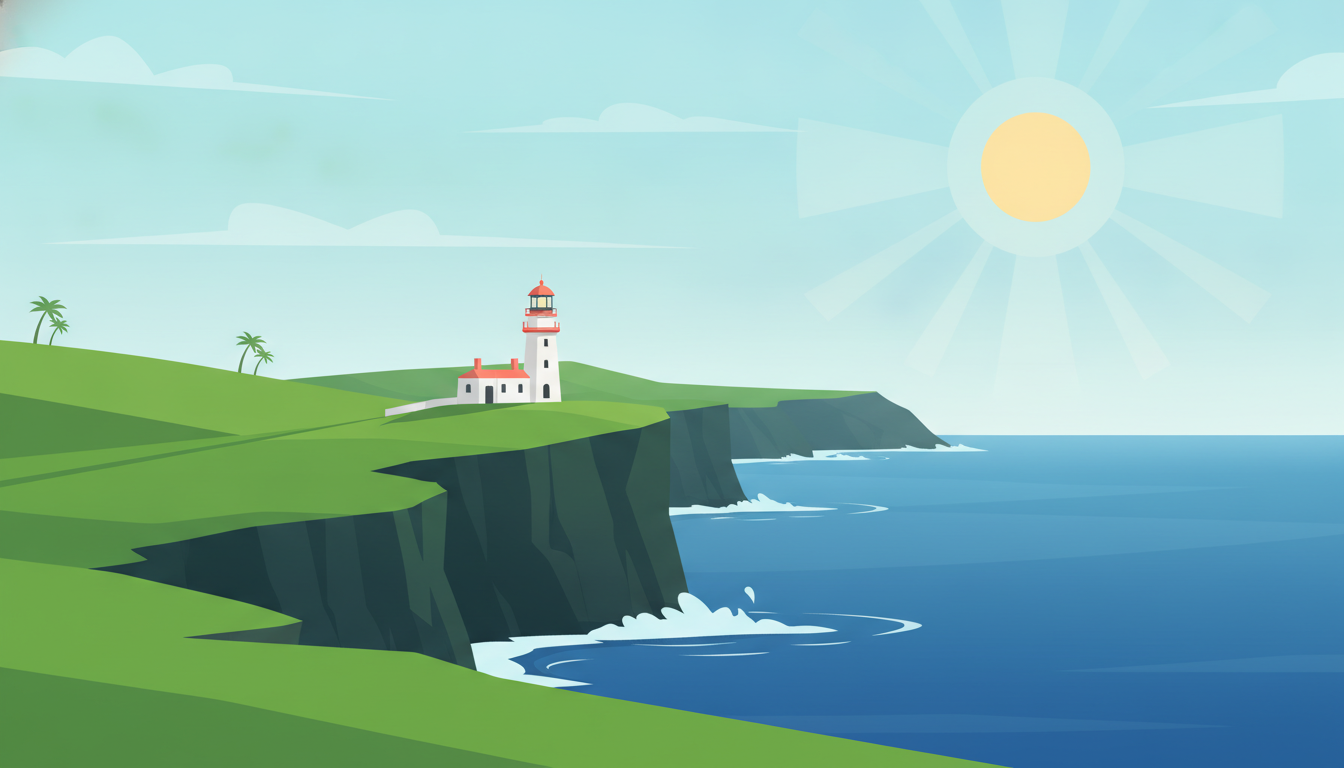
Ireland Road Trip: A 7-Day Loop from Dublin
Cliffs, castles and green roads in one circuit.
7 days · 1,113 km
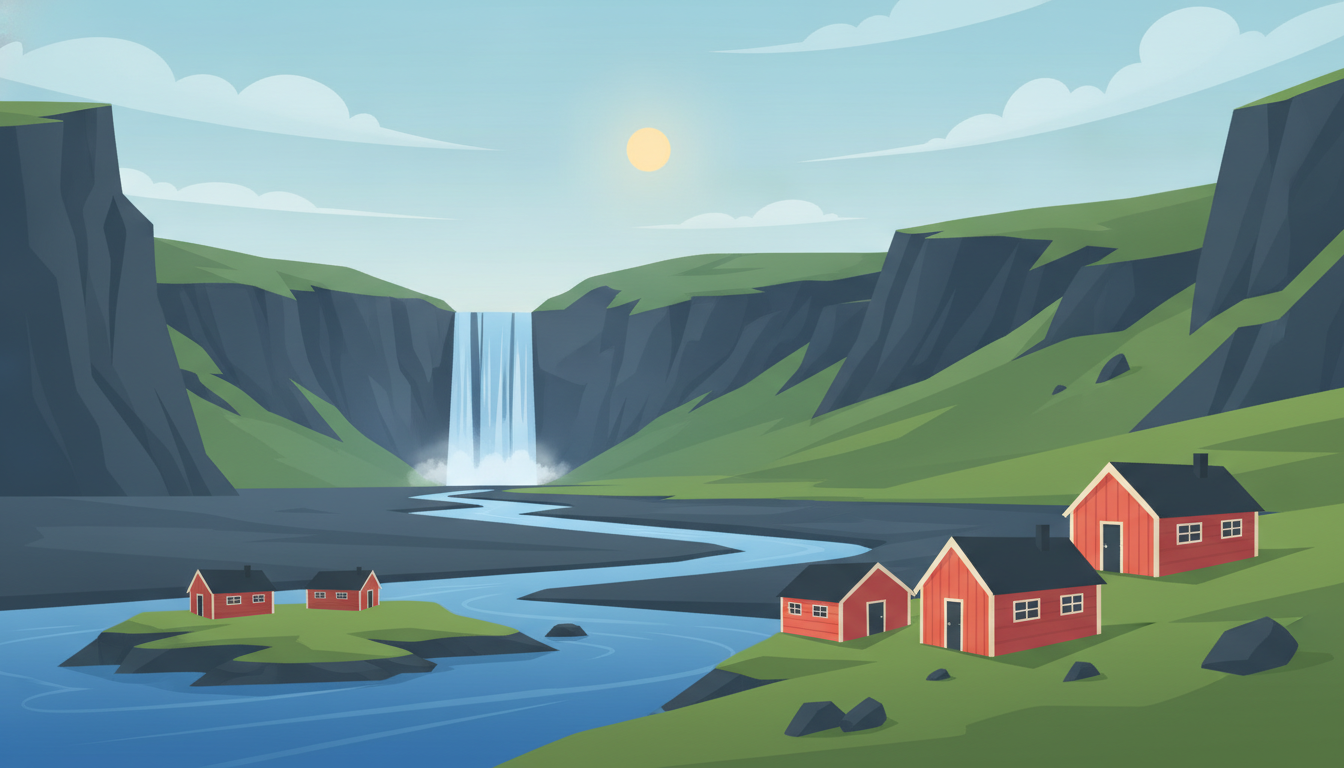
Iceland Ring Road Itinerary: 8 Days Around the Island
Waterfalls, black beaches and fjords on Route 1.
8 days · 1,834 km
Norway Road Trip: 7 Days of Fjords and the Atlantic Road
Ferries, hairpins and the road out to sea.
7 days · 807 km
On a single-track road the passing place is a stopping place, not a shortcut: pull in on your left, or wait opposite one on your right. Reversing a hire car 200 metres downhill is the northern rite of passage nobody wants.
The Alps: the best driving in Europe, for four months
Nothing else in Europe drives like an Alpine pass, and nothing else is so completely governed by the calendar. The high roads: the Grossglockner, the Timmelsjoch, the Stelvio, France's Col de l'Iseran, open between late May and early July and close with the first serious snow in October. A route planned across them in April is a route across closed roads.
Below the passes, the Alpine countries are the easiest driving on the continent: immaculate surfaces, disciplined traffic, and tunnels that turn what looks like a mountain range into a two-hour transfer. The trade is cost. Switzerland and Austria both require a vignette, and Swiss fuel and food are in a class of their own.
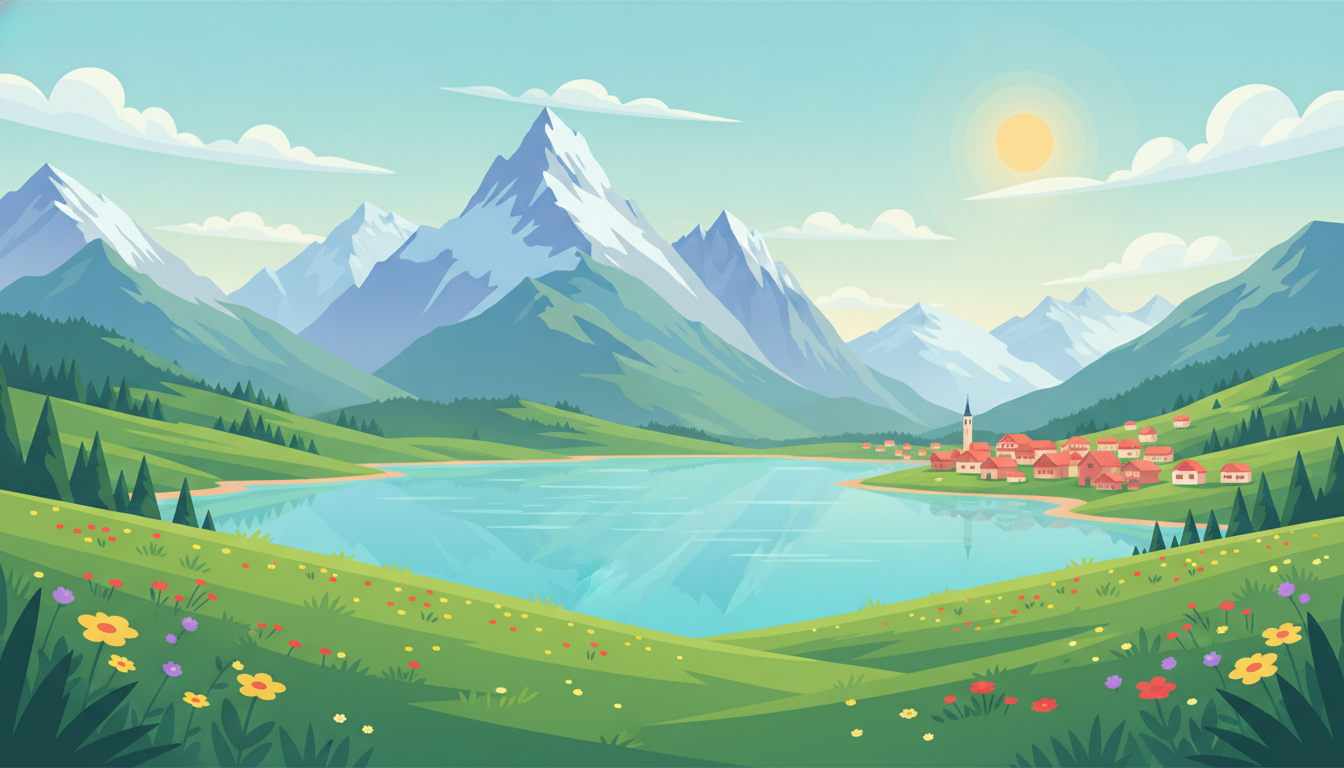
Swiss Alps Road Trip: 6 Days Looping from Zurich
High passes, glacier lakes and mountain villages.
6 days · 424 km
Dolomites Road Trip: 5 Days of Passes from Bolzano
Pale peaks, hairpin passes and mountain huts.
5 days · 402 km
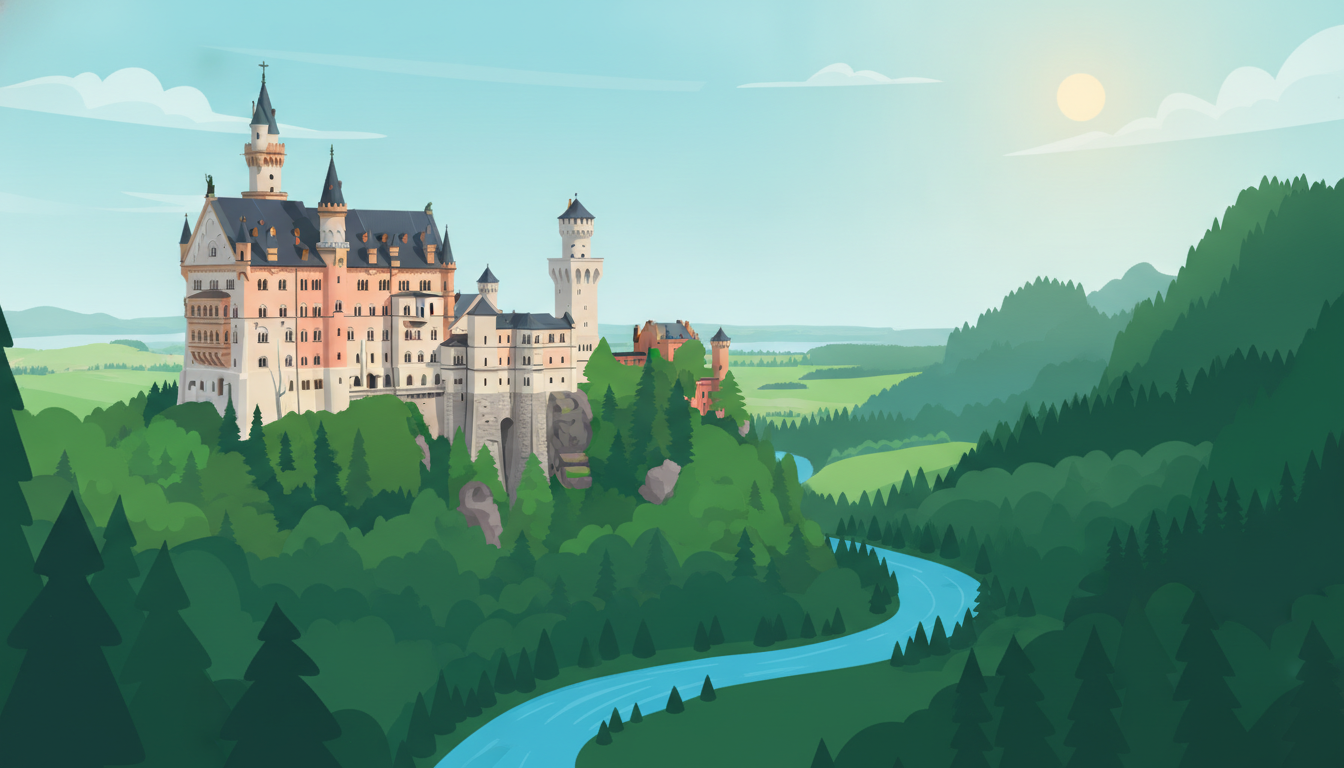
Germany Road Trip: 6 Days on the Romantic Road
Half-timbered towns, hilltop castles and Bavarian backroads.
6 days · 729 km
The south: shoulder season, or don't bother
The Mediterranean routes are the most photographed and the most mistimed. Tuscany, Provence, the Amalfi Coast and Andalusia are all superb in May, June, September and early October, and all of them are hot, expensive and gridlocked in August, when the locals are also on the road. The Amalfi Coast goes further and restricts traffic by number plate in high season.
- Tuscany: hill towns an hour apart, the easiest first European road trip there is, and the one where the ZTL fines catch almost everyone.
- Provence and the Luberon: markets in the morning, two hours of driving at most, lavender in late June and early July.
- The Amalfi Coast: few kilometres, many hours. The road is narrow, coach-heavy and unrelenting; a small car is not a preference here.
- Andalusia: Málaga to Seville by way of Ronda and the white villages, and the one southern route that is genuinely good in winter.
- Portugal, Lisbon to Porto: coast, wine country and the cheapest fuel and food in western Europe.
- Croatia: Istria, Plitvice and the Dalmatian coast, best in September when the sea is still warm and the ferries still run often.
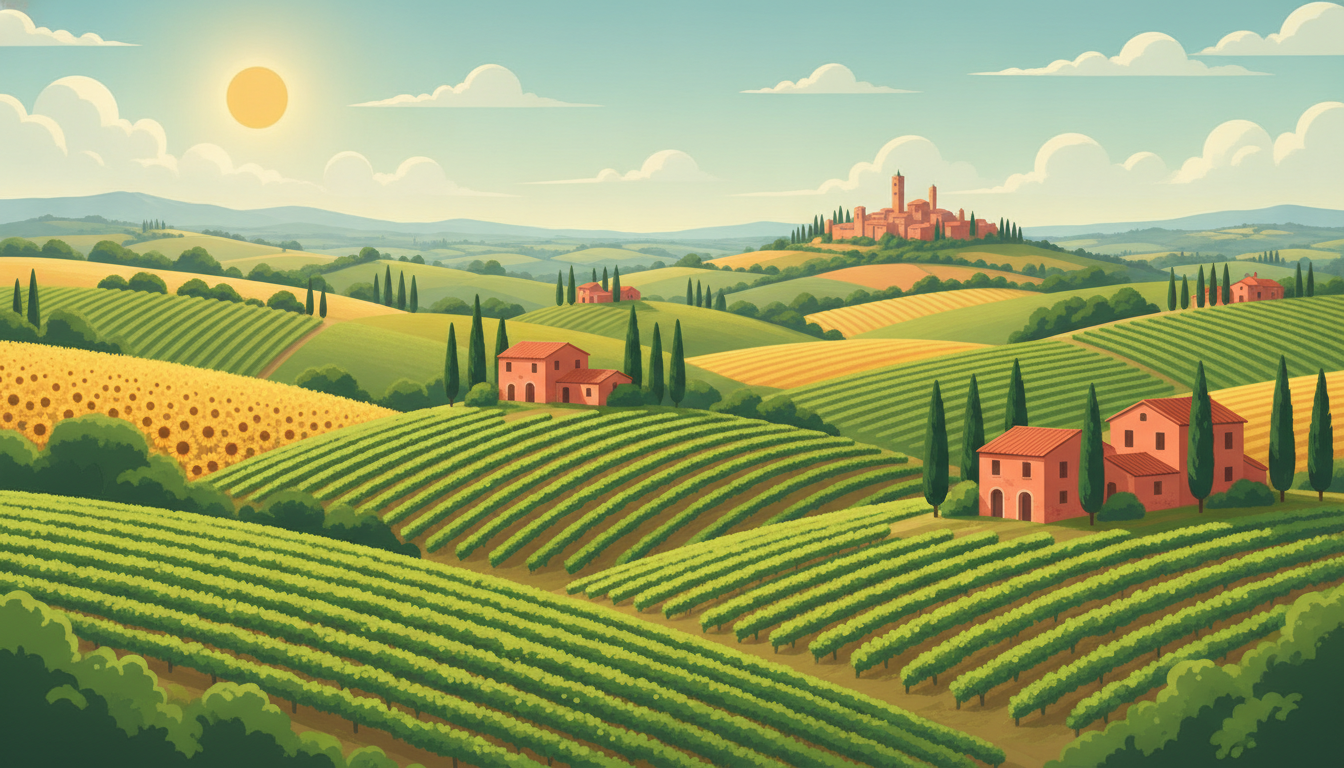
Tuscany Road Trip: 6 Days of Hill Towns from Florence
Vineyard ridges, walled towns and long lunches.
6 days · 576 km
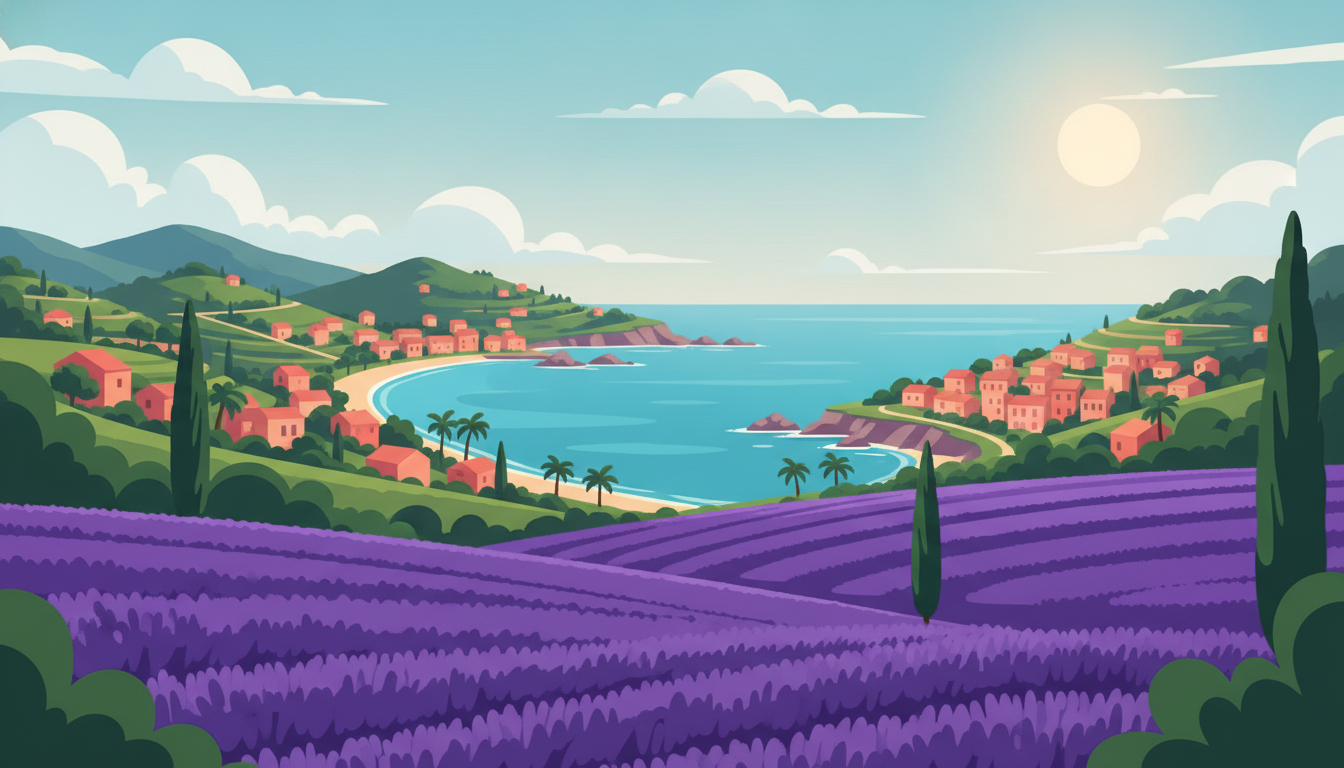
Provence Road Trip: 6 Days from Nice to Marseille
Lavender ridges, Riviera coves and market towns.
6 days · 419 km
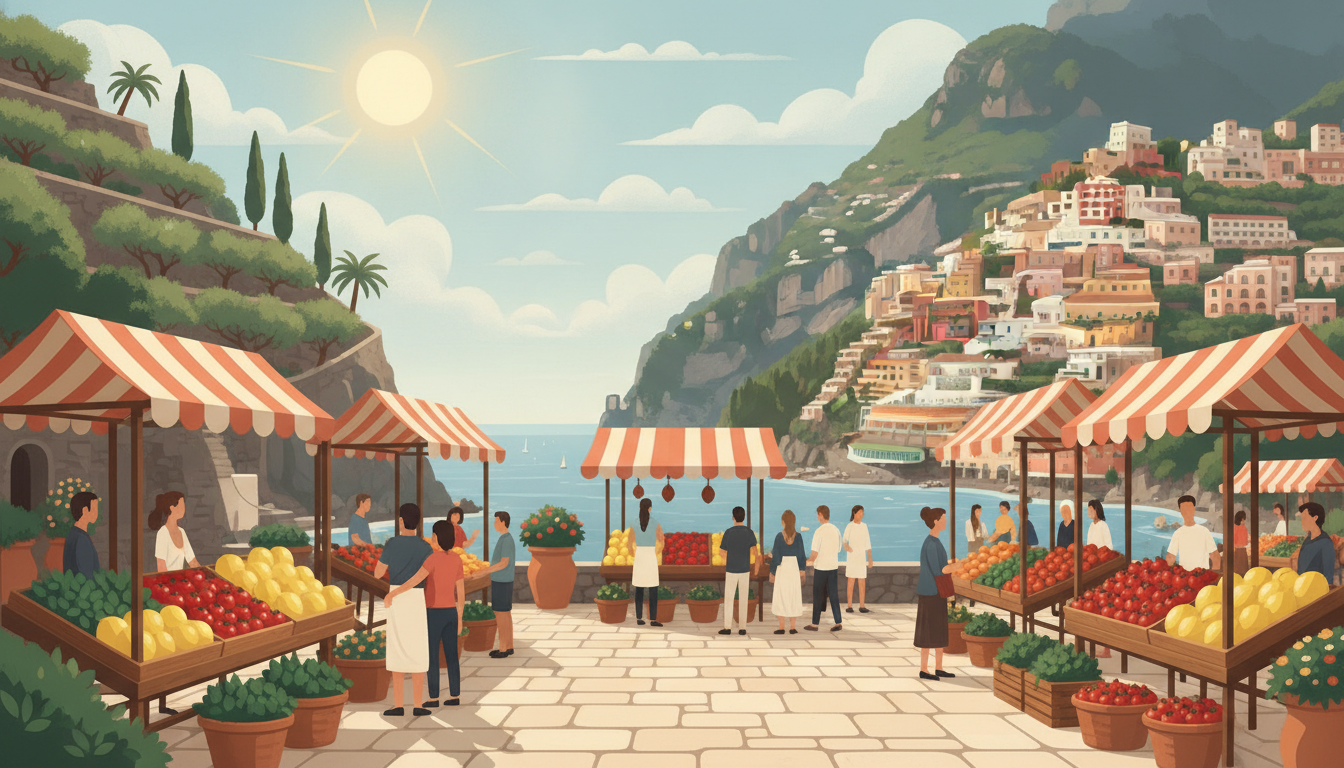
Amalfi Coast Road Trip: 5 Days from Naples
Cliff roads and lemon-grove villages above the sea.
5 days · 198 km
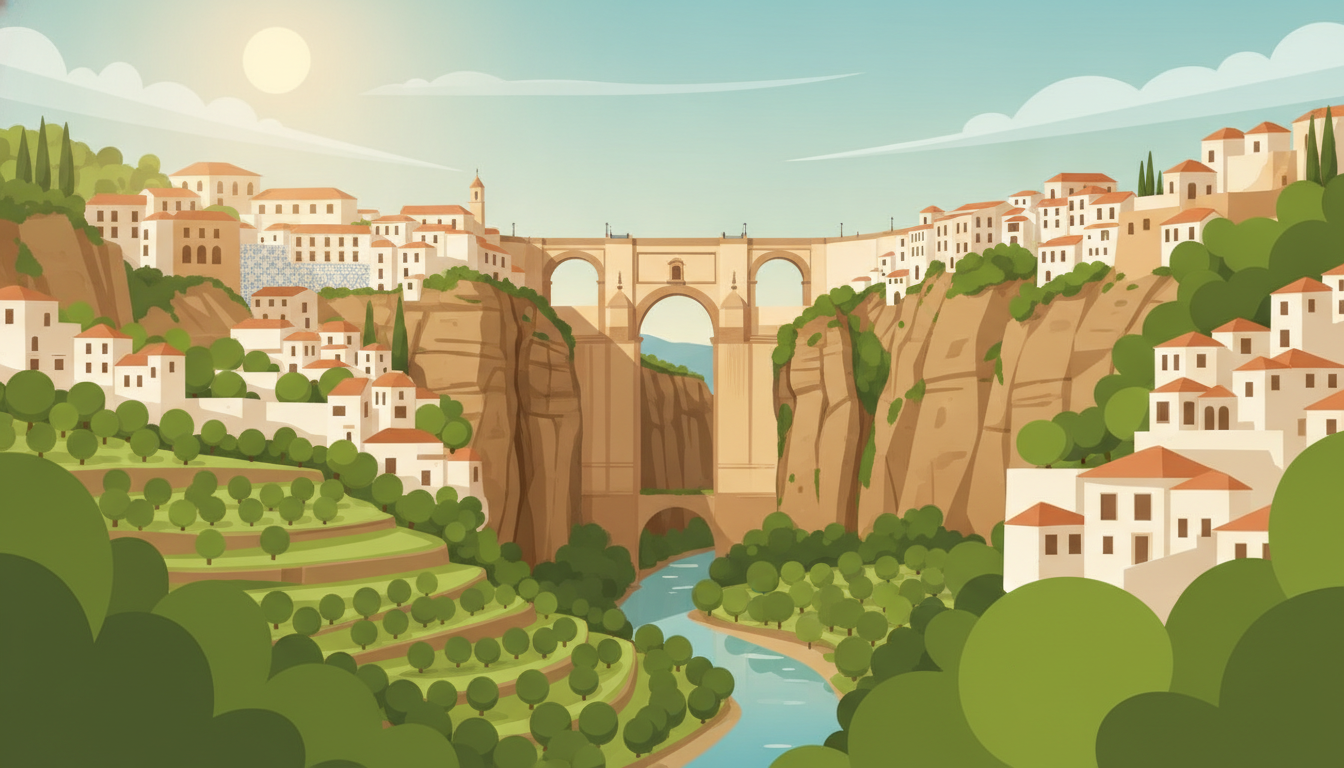
Andalusia Road Trip: 7 Days from Málaga to Seville
White hill towns, Moorish palaces and olive country.
7 days · 1,101 km
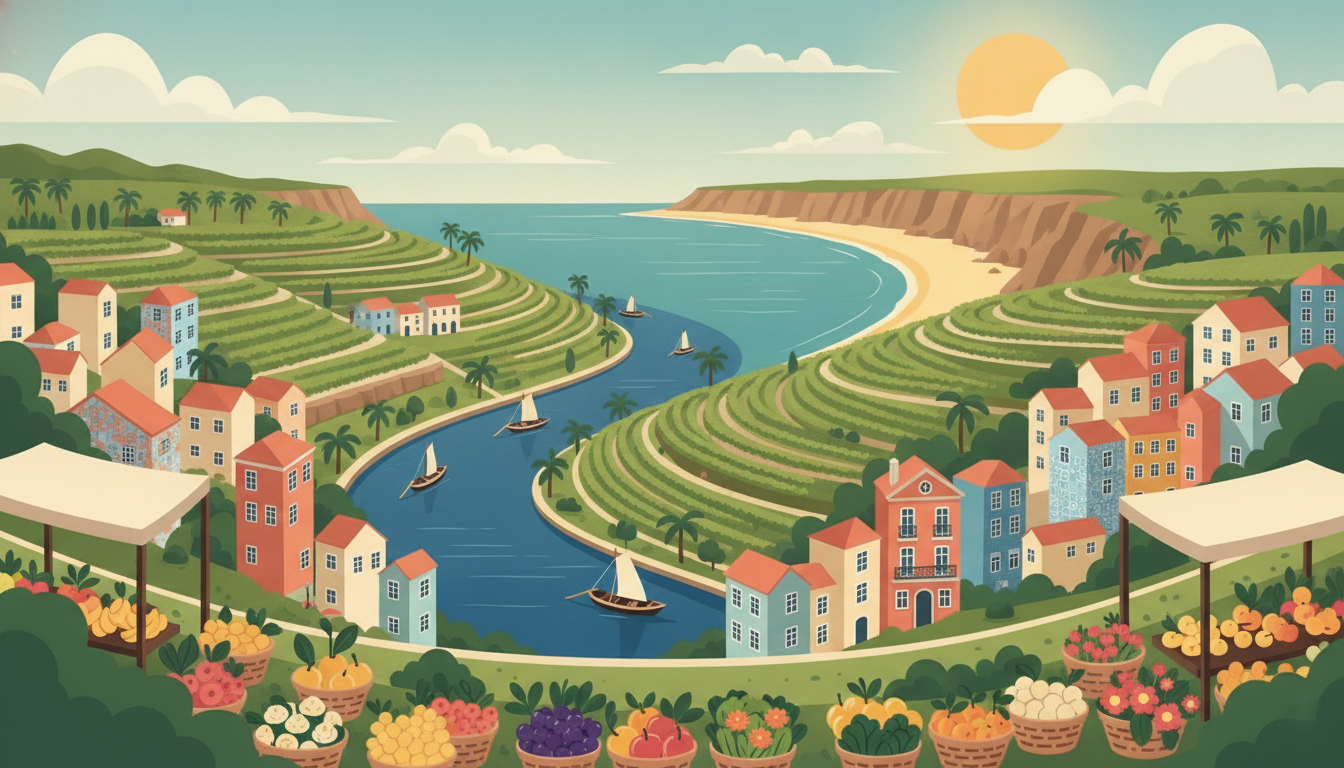
Portugal Road Trip: Lisbon to Porto in 7 Days
The Atlantic coast, one unhurried stretch at a time.
7 days · 496 km
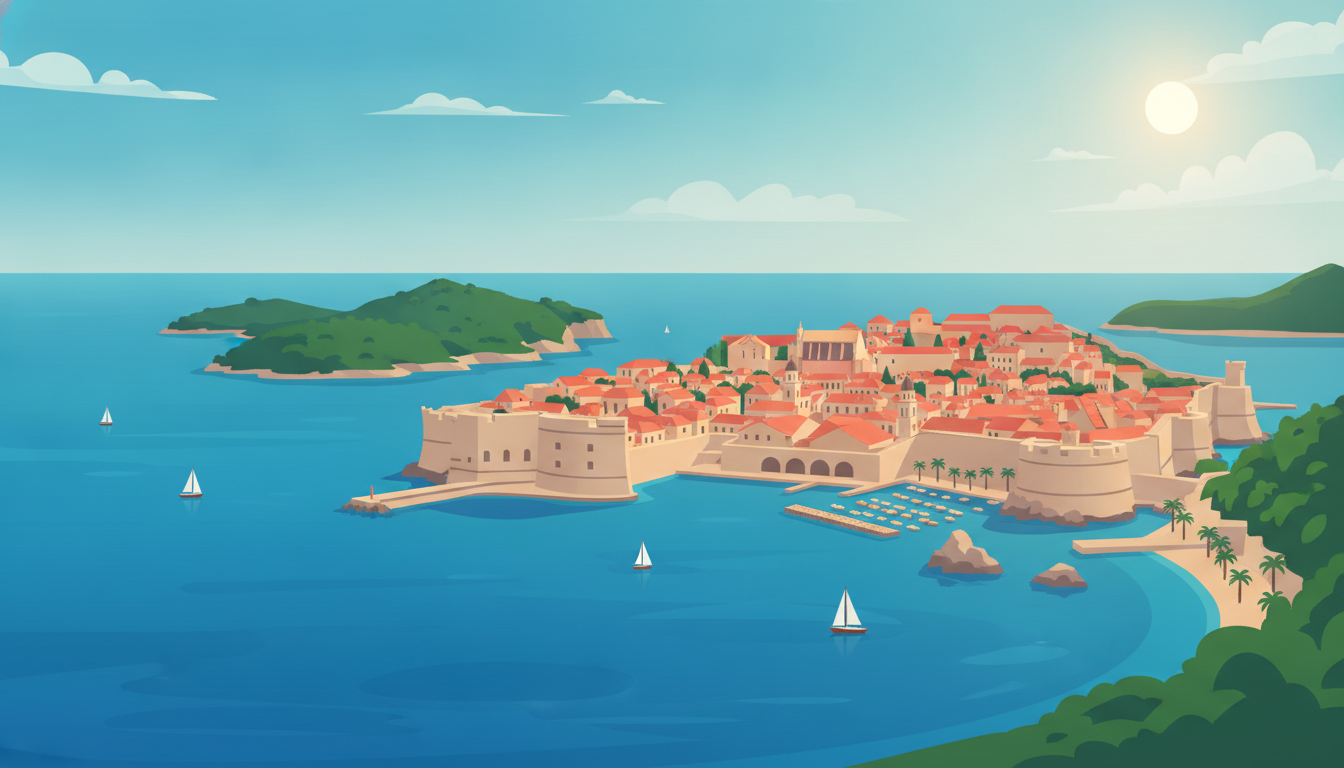
Croatia Road Trip: 7 Days from Istria to Dalmatia
Roman coast towns, waterfalls and island ferries.
7 days · 678 km
Italy's ZTL zones: camera-enforced restricted areas covering nearly every historic centre, are the single most expensive mistake on a European road trip. Your satnav does not know about them. Park outside the walls and walk.
When to go: the calendar in one table
| Month | At its best | Avoid |
|---|---|---|
| April | Andalusia, Portugal, Tuscany's early spring | The Alps: passes still closed |
| May | Almost everything: Ireland, Scotland, Tuscany, Provence | Iceland's highlands, still shut |
| June | The Alps as passes open, the NC500, Iceland, Norway | Nothing much: the best month overall |
| July–August | Norway, Iceland, high Alpine passes | The whole Mediterranean, and the NC500's single-track |
| September | Croatia, Tuscany, Amalfi, Provence, Scotland | Iceland's highland roads start closing |
| October | Bavaria, Tuscany's harvest, the Dolomites' larch | High passes, closing with the first snow |
| November–March | Andalusia, and city-based trips | Anything north or high: short days, closed roads |
Shoulder season is not a compromise on this continent: May, June and September are cheaper, emptier and better than July and August almost everywhere on this page.
What is different about driving in Europe
The rules change at every border and the mistakes are administrative rather than dangerous: you find out months later, by post, with a handling fee attached.
- Vignettes: Switzerland, Austria, Czechia, Slovenia and Hungary require a sticker or digital pass before you use the motorway. Buy it at the border or online; the fine is many times the price.
- Tolls: France, Italy, Spain and Portugal charge by distance: take a ticket, pay on exit. The 'Telepass' and 'Via Verde' lanes are for subscribers only.
- Restricted zones: Italy's ZTL, and low-emission zones in most large German, French and British cities. Some need registration days in advance.
- Gearboxes: a European hire car is a manual unless you booked otherwise. Automatics exist, cost more and run out early.
- Fuel: diesel is common and much cheaper in some countries than others; motorway stations are always dearer than town ones.
- Cross-border hire: many agreements forbid taking the car into certain countries, and ferry crossings usually need declaring.
Questions, answered
- What is the best road trip route in Europe?
- For pure driving, the NC500 around the Scottish Highlands or an Alpine pass route through Switzerland and the Dolomites. For a first European road trip, Tuscany: the towns are an hour apart, the roads are easy, and nothing about it is intimidating. The honest answer depends more on the month than the country.
- When is the best time for a European road trip?
- May, June and September, almost everywhere on this page. July and August bring heat, crowds and peak prices to the Mediterranean and traffic to the northern single-track roads; April and October are excellent in the south but too early or too late for the Alps.
- Do I need a special licence or documents to drive in Europe?
- A UK or EU licence is accepted throughout. Non-European licences sometimes need an International Driving Permit: it depends on the country and it is cheap to obtain, so check before you fly. You will also need the hire agreement, insurance documents and, in some countries, a warning triangle and hi-vis vest in the car by law.
- How much does a European road trip cost?
- Fuel is the line people underestimate: at European prices a 2,000 km trip is a significant sum before tolls, and tolls in France or Italy add roughly 7–9 euros per 100 km. Portugal and Spain are the cheapest of the western countries; Switzerland, Norway and Iceland the most expensive by some distance.
- Is it better to drive or take the train in Europe?
- The train wins between major cities: Rome to Florence to Venice, Paris to Lyon, where it is faster and the car becomes a parking problem. The car wins everywhere else, which is most of what is worth seeing: hill towns, coastlines, mountain passes and anywhere the timetable does not go.
Read next
Plan the trip while it's in your head
Five short questions and you get a day-by-day itinerary with real stops and honest drive times. Free to read the whole plan.
Plan my road trip →